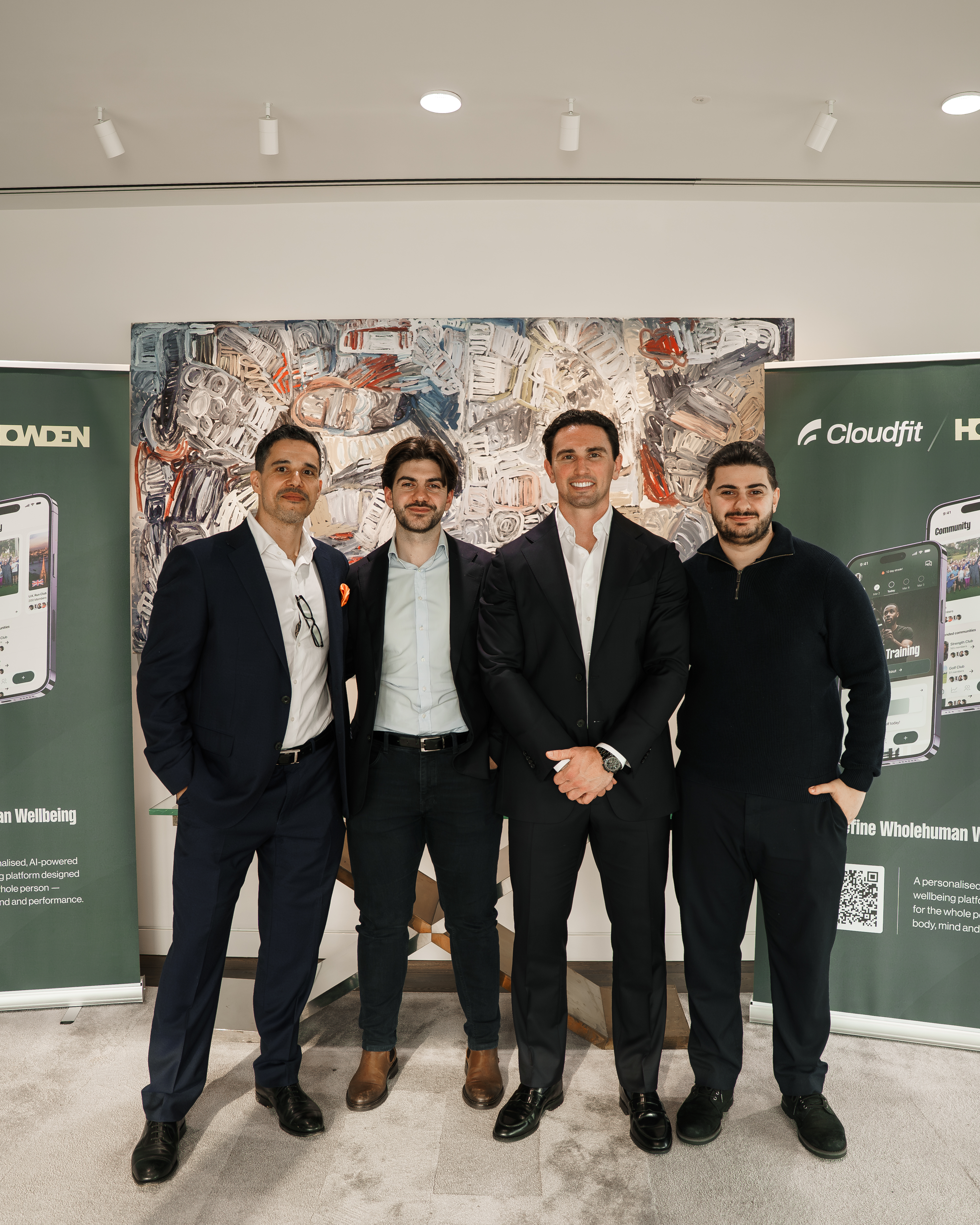
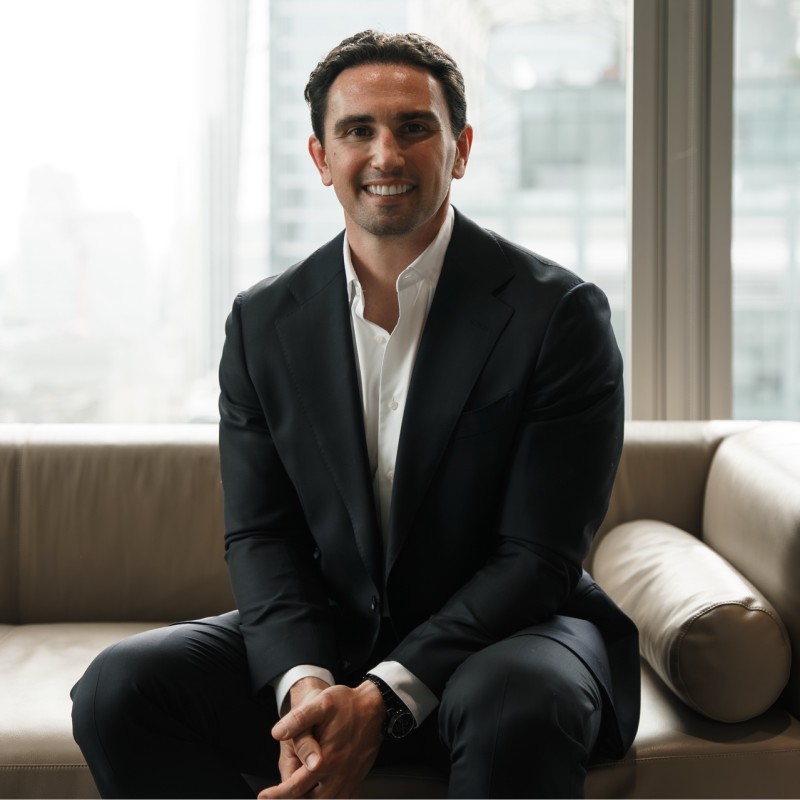
When Kristian Phillips lined up for a professional rugby match, he had something most of us will never experience. An entire team dedicated to keeping him at his best. A nutritionist tracking every meal. A physio working on every injury. A strength coach, a psychologist, a medical team on standby. World-class healthcare built entirely around him.
Then his career ended. And like most of us, he was on his own.
What happened next - and what Kristian discovered about the gap between elite health support and what the rest of us can access - led him to co-found CloudFit, the personalised preventative health platform that pairs AI coaching with in-app access to health professionals, now available through the Kry Health Hub.
We sat down with him to talk rugby, resilience, and why your health deserves the same attention as a professional athlete's.
1. You had a 12-year career as a professional rugby player. What did you learn about your own body during that time that most people never get the chance to discover?
The biggest thing I learned is that your body doesn't stay the same, so the way you look after it can't either. As a youngster, I could get away with a lot. I didn't think twice about stretching or mobility, and recovery just seemed to happen naturally. Over the years, that changed. Mobility went from something I skipped to something I did, and still do, every day. Strength training became less about getting bigger and more about staying strong, avoiding injury and just feeling good in my body as I got older.
Nutrition was the same. Early on, I ate what I thought was "healthy" or what I thought I could get away with, but over time, I became much more precise about what I ate and when, because I could feel the difference in my energy, my recovery and my performance.
The other big lesson was routine. Having a clear structure to my week kept my mind clear too. It helped me stay focused on and off the field, whether that was training, match day or just getting through a busy week at home.
Most people only notice those changes when something starts to hurt. I was lucky to have people around me helping me adjust along the way, and that's something everyone should have.
2. Professional rugby is brutal physically - but players often say the mental side is harder to manage. How did you look after your mental health during your playing days, and was it something you talked about openly in the dressing room?
Mental health is something that's become much more openly talked about in recent years, and I think that's such a great thing.
The toughest moments throughout my career were dealing with injuries, feeling disconnected from the group and missing out on selection. One week you could be in the thick of it, the next you could be on the outside looking in, for weeks, or months in some cases.
What kept my mind clear was discipline with the basics: training, eating well, sleeping properly. If I got the fundamentals right each day, I was giving myself the best chance to succeed. Some days those were only small wins, but they added up, When some things felt out of my hands, I focused on controlling the controllables.
And if I ever needed to talk to someone, that support was always there. Looking back, that's something I probably took for granted. Most people don't have that on hand when they're struggling, and that's a big part of why I wanted to build something that changes that.
3. Most former athletes struggle with identity when the career ends. What did that transition look and feel like for you - and how did you stay physically and mentally well through it?
It's a big change. You lose the structure, your teammates and the daily routine almost overnight. But who I am today is because of everything I learned and experienced in professional sport. The fundamentals of Kryng well are ingrained in me. Moving and eating well have never felt like a chore, so when my career ended, I brought that same mindset with me.
I still stretch, lift weights and run throughout the week. It's not to the extreme of a professional player anymore, but it's not far off. It's what keeps me feeling good, both physically and mentally.
I know I was lucky. I'd spent years learning what looking after yourself properly actually looks like, and most people never get that. That's why I co-founded CloudFit: to make the kind of support I had available to everybody, not just elite athletes.
4. You went on to train A-list actors, members of the Royal family and global business leaders. What surprised you most about the health challenges high performers face - whether on the pitch or in the boardroom?
What surprised me most was how similar their challenges were to everyone else's. Time being the biggest one. They had packed schedules and were constantly travelling, so a lot of what I did was helping them adapt their training and nutrition on the go.
It was also surprising how many of them didn't really know what was best for their own bodies.
Plenty of people assume that if they keep doing the same things every day, they'll eventually get where they want to be. But from my experience, if you do the same things, you'll get the same results. I helped them understand that over time, your body changes, so your approach must change with it.
Ultimately, they want what we all want: to stay fit, healthy and clear-minded for their day-to-day responsibilities. The difference was that they could afford the kind of premium support I'd had as an athlete. That's when it really hit me that this level of care was reserved for the privileged, and it's what drove my co-founder and I to do something about it.
5. When you were playing rugby, you had a nutritionist, a physio, a strength coach, a psychologist - an entire team around you. What happens to people who simply don't have access to that?
Most people end up trying to work it out on their own, and that's where things tend to fall apart. A lot of people are told what they need to do, but not how to do it.
You might be told that you need to lose weight or improve your diet, and you walk away knowing what the goal is but with no idea how to get there. What should you eat? How should you train?
What do you do when life gets busy and it all slips? Without someone guiding you, it's easy to try, lose momentum and end up back where you started.
The same thing goes for back or joint pain. Small niggles get ignored because people don't know what to do about them, or they convince themselves that it’ll be alright, until it’s not. Over time,those small issues become bigger ones. They affect your sleep, your energy, your work,and sometimes lead to time off, which brings its own financial stress.
As an athlete, those problems were picked up early and dealt with straight away. For most people, they're only dealt with once they've become a problem. And the older we get, the bigger that gap becomes.
6. CloudFit talks about 'Whole Human' wellbeing. What does that mean in practice - and why does it matter that CloudFit isn't just another fitness app?
Health is complicated. CloudFit is simple.
Most fitness apps focus on just one piece of the puzzle. One tracks your workouts, another counts your calories, another helps you meditate. But your body doesn't work in silo, so your support shouldn’t either. How you sleep affects how you train. How you eat affects your energy and your mood. Stress affects all of it. If you only look at one part, you only ever get part of the picture.
"Whole Human" means looking at the full picture: movement, nutrition, mental wellbeing and the daily habits that tie it all together. CloudFit brings those pieces into one place and builds a plan around you, not around a template. As your life changes, your plan changes with it.
That's the privilege I had as an athlete. It wasn't one expert working in isolation, it was a team that talked to each other and saw me as a whole person. CloudFit works the same way. AI coaching supports you every day, and when you need more, you have access to health professionals through our partnership with Kry.
The difference from a fitness app is simple. A fitness app tells you what to do. CloudFit works with you, adapts to you and gets you the right support at the right time.
7. AI in health is a crowded space, and everyone claims to personalise. What does CloudFit do differently, and why does the human element still matter alongside the technology?
CloudFit is proactive, not reactive. It's designed to help you stay ahead of your health, not just respond when something goes wrong. It's built to move through life with you. That might mean training and nutrition support before and after surgery, throughout pregnancy, or alongside a GLP-1 weight-loss journey. If you're on a GLP-1, your body's needs change, and your plan should reflect that rather than coaching you as if nothing's different. It might also simply mean helping you thrive day to day. Your needs change, and your support should change with them.
It's also accessible. Everything lives in one place, from training and nutrition to mental wellbeing and access to health professionals, so you're not juggling different apps to piece it all together. We analyse your own data to personalise your day to day, but you don't need a wearable or any expensive kit to get started. You can begin exactly where you are.
The advances in AI mean we can now personalise support in a way that simply wasn't possible a few years ago. Everything is built on evidence-based best practice and guided by our medical board. But technology on its own isn't enough. The best support I ever had as an athlete came from people who knew me, and that's why the human element matters. AI is there for every day, and health professionals are there for the moments that need them.
8. You're now part of the Kry Health Hub, sitting alongside GP consultations, sleep medicine and diagnostics. Why does preventive health need to sit alongside clinical care rather than apart from it?
Because your health doesn't stop and start at the doctor's door.
Clinical care is there for when you need it: a diagnosis, treatment, expert advice. Preventive health is everything that happens in between, such as the way you move, eat, sleep and manage stress day today. Those everyday habits have a huge impact on how often you end up needing clinical care in the first place.
When the two are disconnected, that’s where things break down. You might be told to make changes after an appointment and then left to figure it out on your own, which is exactly the problem I talked about earlier. When they sit together, the support carries on. Your GP or physio can point you towards the right help, and CloudFit keeps you on track between appointments.
It's exactly how it worked for me as an athlete. My medical team and my coaches weren't separate.
They talked to each other, and that's what kept me on the pitch. For me, it comes down to health span. It's not just about Kryng longer, it's about staying healthy, strong and independent for as many of those years as possible. The earlier you start looking after yourself, the more of those good years you get. That's why prevention and clinical care belong together.
9. An NHS GP appointment is typically ten minutes. CloudFit is with someone every day. How do you see the two working together to change someone's health, not just manage a symptom?
Ten minutes is enough time for an assessment, but not for the weeks and months that follow. That's what really changes your health, and that's where CloudFit comes in.
The GP identifies what needs to change, and CloudFit turns that into everyday support. Take someone who's been told they need to lose weight to bring their blood pressure down. CloudFit helps them understand what to eat, how to move and how to build habits that stick, and it adapts as life gets in the way. If they need more help along the way, the right professional is there.
It also brings full transparency to your appointments. Instead of trying to remember how the last few weeks have gone, you and your GP can see a clear picture of your progress, which makes those ten minutes far more valuable.
That's the difference between managing a symptom and changing someone's health. A symptom can be treated in an appointment, but real change happens in the everyday choices in between. The GP sets the direction, and CloudFit helps you get there.
10. What does your own health and fitness routine look like now - post-rugby, running a business? Is it what people might expect from a former international athlete?
It's probably less than people expect from a former athlete. I still have the same mindset I had as a player when it comes to my health and wellbeing, but running a business means I've had to adapt.
My sessions are now shorter and sharper, usually around 40 minutes in the gym or a run. I've learned to make the most of the time I have. I've also taken a lot of pressure off myself when it comes to how often I train. Some weeks I'll get five sessions in, other weeks it might be three or even two, and I've learned to be okay with that. What matters is staying consistent over time, not being perfect every week.
What I don't compromise on are the fundamentals. Good nutrition, adequate sleep and staying hydrated are three things I can control every day, however busy things get. It's the same approach as when I was playing - just control the controllables.
And I think that's what most people need to hear. You don't need to train like an athlete to be healthy. You just need an approach that fits your life, and the flexibility to adjust when things get busy.
11. What's the one thing you wish every person in the UK knew about their own health that most people simply don't?
That your health is something you work on every day, not something you fix when it breaks. Most of us only start thinking about our health when something goes wrong: a niggle that won't go away, a worrying test result, a doctor telling us we need to make changes. But by then, we're typically playing catch-up.
Take pride in the small things you do every day, like how you move, what you eat, how you sleep and how you manage stress. It all adds up over time. Good habits are what decide how you'll feel in five, 10 or 20 years.
The good news is that it's never too late to start, and it doesn't need to be extreme. Small, consistent changes make a huge difference, especially as we get older. You just need the right support to get going and to keep going.
Ready to take your health to the next level?
CloudFit is now available through the Kry Health Hub - your one-stop destination for trusted health and wellbeing support, from on-demand GP appointments to personalised fitness, nutrition and lifestyle coaching. Whether you're looking to build better habits, support your recovery, or simply feel more like yourself, CloudFit's AI-powered platform adapts to you and your life - and works alongside your Kry GP to keep the bigger picture in view.
Explore CloudFit on the Kry Health Hub and use code KRYDISCOUNT2026 for 10% off.
Already a Kry patient? Your GP can refer you directly to CloudFit as part of your care.